Brake Repairs & Brake Pad Replacement Guide: Signs, Costs & Safety Tips
Your brakes are one of the most important safety systems on your vehicle. Worn brake pads or damaged brake components can increase stopping distance, reduce braking performance, damage brake discs, and put you and other road users at risk. Whether you have noticed unusual noises or simply want to keep your vehicle in excellent condition, understanding how your braking system works can help you avoid costly repairs.
This guide explains how car brakes work, the warning signs of worn brake pads, when brake pad replacement is needed, typical brake repair costs in New Zealand, and why professional brake repairs are essential for safe driving.
What Are Brake Pads?
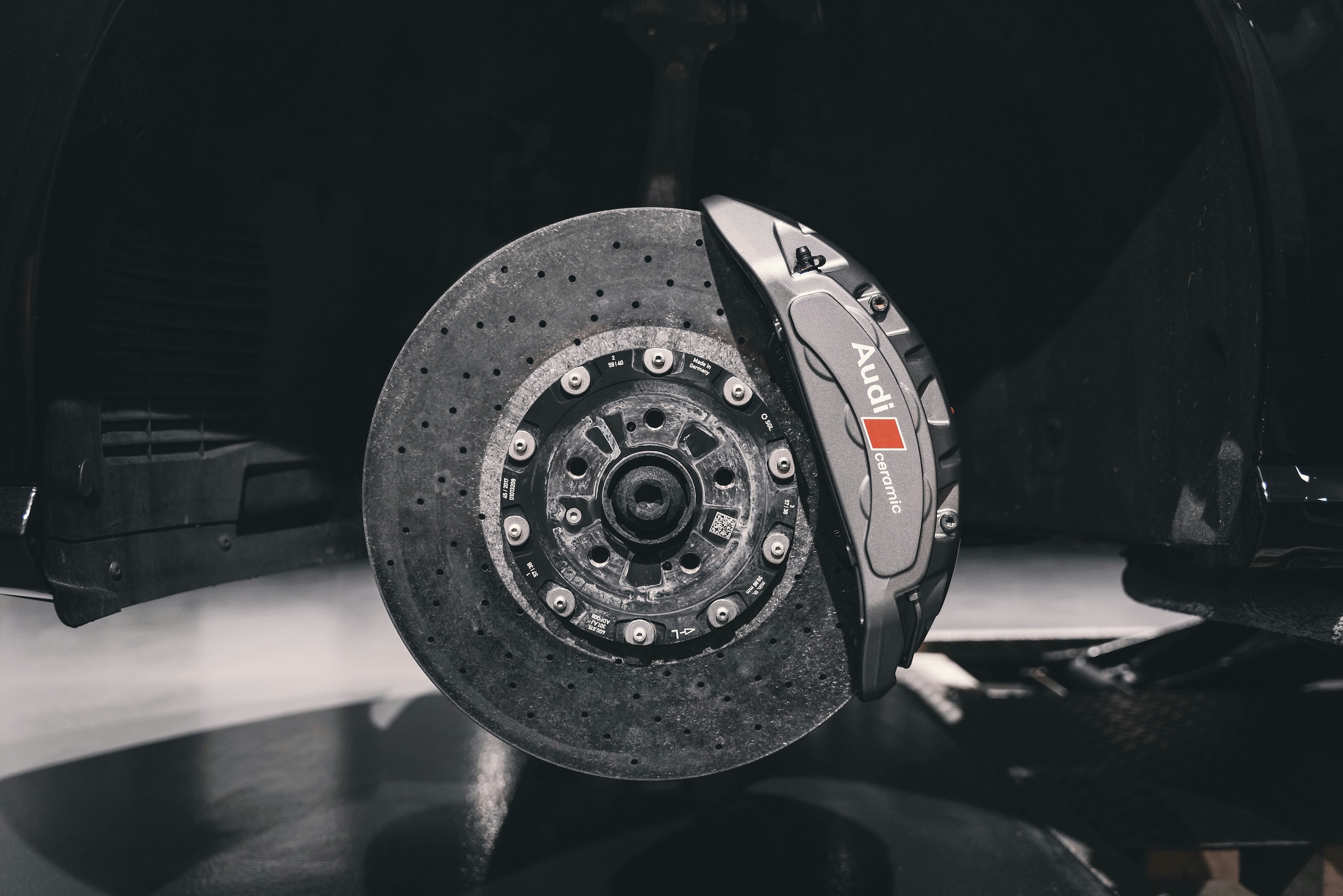
Brake pads are friction materials designed to press against the brake discs whenever you apply the brakes. Over time, the friction material gradually wears away and must be replaced to maintain safe braking performance.
There are three common types of brake pads.
Organic Brake Pads
Organic brake pads are made from fibres, rubber and resin materials. They are generally quieter and produce less brake dust but tend to wear more quickly.
Best suited for:
- Everyday city driving
- Smaller passenger vehicles
Ceramic Brake Pads
Ceramic brake pads are durable, quiet and produce minimal brake dust. They often provide smooth braking and have a longer lifespan.
Best suited for:
- Daily commuters
- Modern passenger vehicles
Semi-Metallic Brake Pads
Semi-metallic brake pads contain metal fibres, making them highly durable and capable of handling higher temperatures. They provide excellent stopping power but may create more noise.
Best suited for:
- SUVs
- Performance vehicles
- Vehicles used for towing
8 Signs Your Brake Pads Need Replacing
Ignoring worn brake pads can lead to expensive brake repairs and compromise your safety. Watch for these common warning signs.
1. Squealing or Squeaking Noises
A high-pitched squeal is often the first sign that your brake pads are wearing thin. Many brake pads include wear indicators designed to produce this sound when replacement is needed.
If the noise continues, arrange a brake inspection as soon as possible.
2. Grinding Sounds
A grinding noise usually indicates the brake pad friction material has completely worn away, allowing metal components to contact the brake disc.
Continuing to drive may damage the brake discs and significantly increase repair costs.
3. Steering Wheel Vibration
If your steering wheel vibrates while braking, the brake discs may be unevenly worn or warped.
A professional inspection can identify the exact cause before the problem becomes worse.
4. Soft or Spongy Brake Pedal
A brake pedal that feels soft or sinks further than normal may indicate:
- Worn brake components
- Air in the brake lines
- Brake fluid issues
This should be inspected immediately as braking performance may be reduced.
5. Longer Stopping Distance
If your vehicle takes longer to stop than usual, your braking system may no longer be performing efficiently.
Common causes include worn brake pads, worn brake discs or reduced braking efficiency.
6. Brake Warning Light
Modern vehicles monitor the braking system electronically.
If the brake warning light appears on your dashboard, do not ignore it. A professional diagnosis can identify the cause before it develops into a more serious issue.
7. Vehicle Pulling to One Side
If your car pulls left or right while braking, uneven brake wear or a sticking brake caliper may be responsible.
Prompt brake repairs help restore safe and balanced braking.
8. Brake Pad Thickness Below 3 mm
Most mechanics recommend replacing brake pads when the friction material reaches approximately 3 mm.
Waiting until the pads are completely worn can damage the brake discs and increase repair costs.
When Should Brake Pads Be Replaced?
Brake pad lifespan varies depending on how and where you drive.
Most vehicles require brake pad replacement every 30,000 to 70,000 kilometres.
Several factors affect brake pad wear, including:
- Driving style
- Vehicle weight
- Frequent city driving
- Regular towing
- Mountain or hilly roads
- Stop-start traffic
Regular brake inspections allow worn pads to be replaced before they damage other brake components.
Why Choose Professional Brake Repairs?
Although some vehicle owners consider replacing brake pads themselves, professional brake repairs offer greater peace of mind.
Qualified technicians:
- Use quality replacement parts
- Inspect the complete braking system
- Check brake fluid condition
- Test braking performance
- Ensure all components meet manufacturer specifications
Professional servicing helps ensure your vehicle remains safe and reliable.
Frequently Asked Questions
How often should brake pads be replaced?
Most brake pads last between 30,000 and 70,000 kilometres, depending on driving conditions, vehicle weight and driving style.
How thick should brake pads be?
Brake pads should generally be replaced once the friction material reaches around 3 mm. Waiting longer may damage the brake discs.
Can I drive with squeaking brakes?
While your vehicle may still stop safely, squeaking brakes often indicate worn brake pads. Having them inspected early can prevent more expensive brake repairs.
Why are my brakes making a grinding noise?
Grinding usually means the brake pads have worn through completely, allowing metal components to contact the brake discs. Immediate inspection is recommended.
How long does brake pad replacement take?
Most brake pad replacements take between 1 and 2 hours, although additional repairs may increase the time required.
Brake Repairs in Christchurch at AutoStar
If you’re looking for reliable brake repair Christchurch specialists, AutoStar provides professional brake inspections and repairs to help keep your vehicle safe on the road.
Our brake services include:
- Brake inspections
- Brake pad replacement
- Brake repairs
- Brake replacement
- Brake system safety checks
- Brake performance assessment
Whether your brakes are making unusual noises, your brake warning light has appeared, or it’s simply time for routine maintenance, our experienced technicians can diagnose the issue and recommend the right solution.
Book Your Brake Inspection Today
Your brakes are too important to ignore.
If you’ve noticed squealing, grinding, vibration or reduced braking performance, contact AutoStar today to arrange a professional brake inspection. Early brake repairs can help prevent more expensive damage, improve vehicle safety and give you confidence every time you drive.