
NZTA WOF Changes Explained: What It Means for Drivers in Christchurch
Keeping your vehicle roadworthy in New Zealand is becoming more important than ever. With upcoming changes to WOF inspections announced by NZTA, many drivers are starting to wonder what this means in real terms. Will it be harder to pass? Will costs go up? And how should you prepare?
In this guide, we explain the latest WOF changes in a clear, practical way, so you know exactly what to expect.
What Are the Latest NZTA WOF Changes?
The New Zealand Government has confirmed that changes to light vehicle inspections will begin from 1 November 2026. These updates apply to a wide range of vehicles, including cars, vans, trailers, and rental vehicles.
The goal behind these changes is quite balanced. On one hand, NZTA wants to maintain and improve road safety. On the other, they are also aiming to reduce unnecessary costs for vehicle owners by making inspections more consistent and relevant.
These updates follow a public consultation period in late 2025, where thousands of submissions were received. Overall, there was strong support for improving how inspections are carried out across the country.
At this stage, NZTA has shared an overview rather than full technical details. More updates are expected closer to the rollout date, including changes to the Vehicle Inspection Requirements Manual (VIRM), guidance around newer technologies like Advanced Driver Assistance Systems (ADAS), and system updates to support inspectors and workshops.
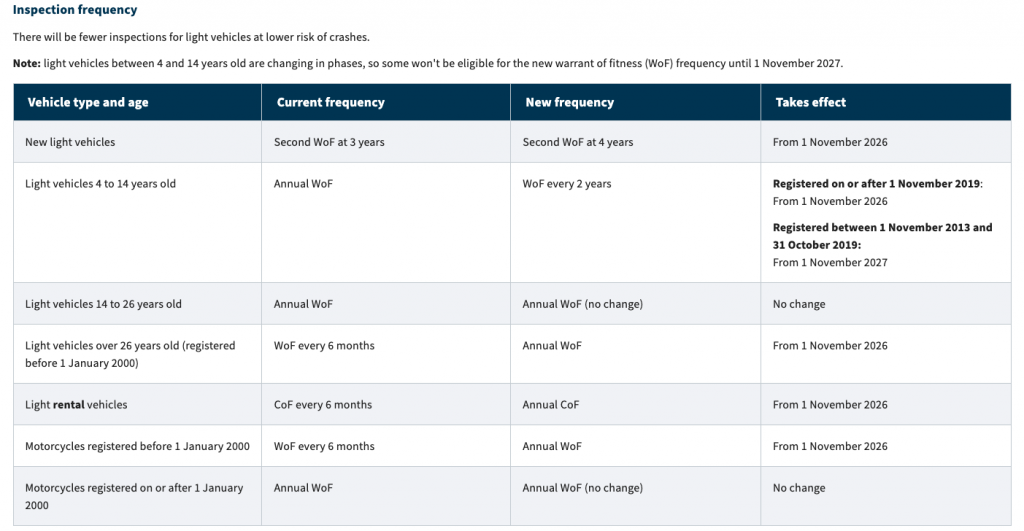
How the New WOF Rules Affect You
For everyday drivers, the biggest change is not just the rules themselves, but how consistently they are applied. In the past, some inspection results could vary depending on where you went. The updated system is designed to reduce that variation.
This means you may notice that inspections feel more thorough and less flexible. Issues that might have been overlooked before are now more likely to be picked up. It’s not about being stricter for the sake of it—it’s about making sure every vehicle on the road meets the same safety standard.
As a result, some drivers may experience a higher chance of failing their WOF, especially if the vehicle has minor wear that hasn’t been addressed.
Common Issues That Now Lead to WOF Failure
Based on real workshop experience, the most common failure points include:
- Faulty or dim lights
- Worn tyres below legal tread
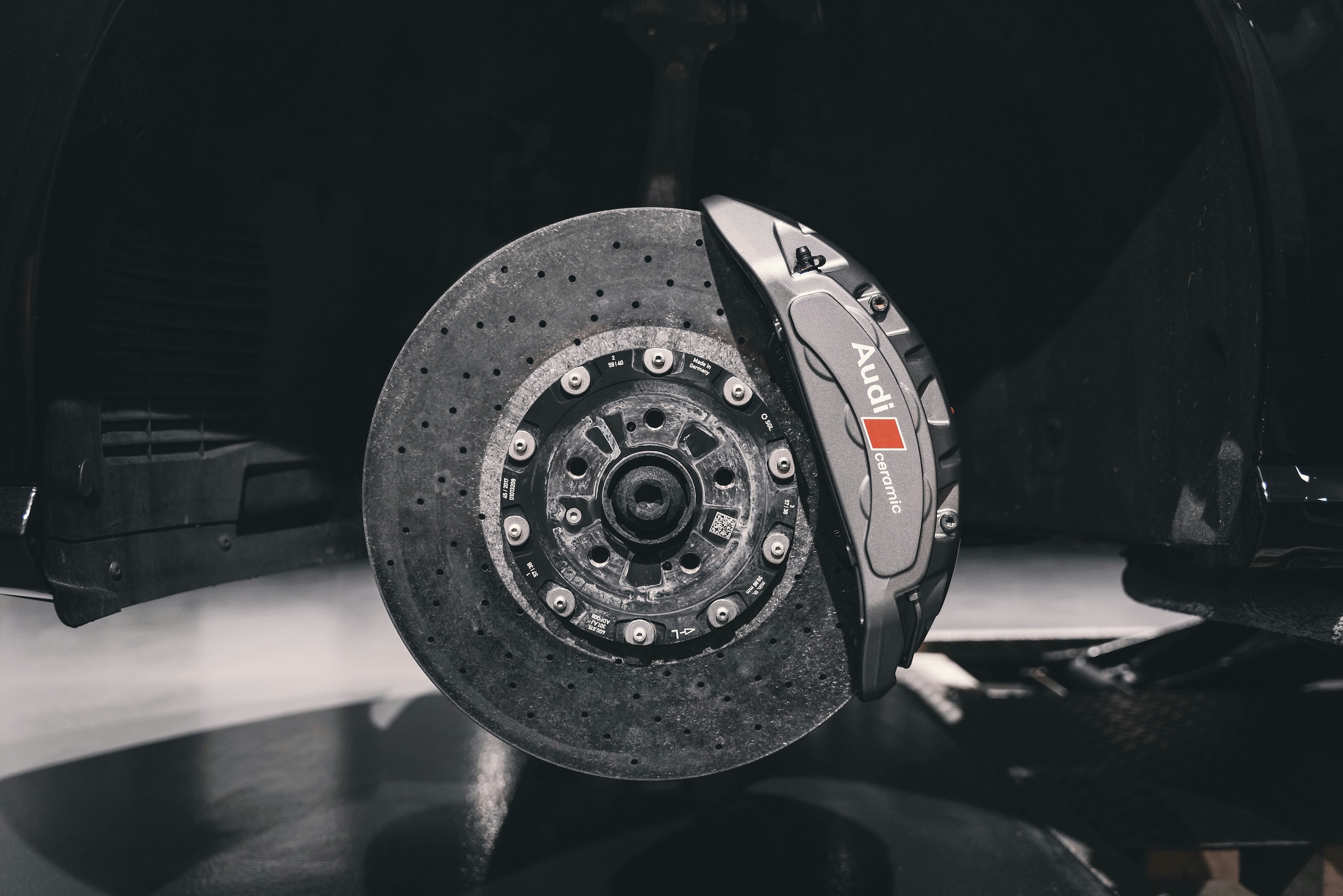
- Brake performance issues
- Suspension wear or looseness
- Windscreen chips or cracks
- Structural rust
If you want a full breakdown, it’s worth reviewing common WOF failure causes before booking your inspection.

What Happens If Your Car Fails Its WOF?
If your vehicle fails its WOF inspection, you will receive a report outlining what needs to be fixed. From there, you have 28 days to complete the repairs and return for a recheck at the same inspection centre.
This part hasn’t changed, but what has changed is how important it is to act quickly. Leaving repairs too long can lead to additional faults developing, which may cost more and delay your recheck.
Fixing issues early not only improves your chances of passing but also helps avoid paying for another full inspection.
WOF in Christchurch – Why Choose Autostar
When WOF standards become more consistent and detailed, choosing the right workshop matters more than ever.
At Autostar, inspections are carried out by qualified WOF inspectors who follow NZTA standards carefully. The focus is always on safety, accuracy, and clear communication.
What makes a difference is that we don’t just inspect—we also repair. If your vehicle fails, we can handle everything on-site, from minor fixes to more involved mechanical work. This saves time and removes the stress of going between multiple places.
We also keep things simple. WOF checks are $60, and we are open on Saturdays to fit around your schedule. For many Christchurch drivers, that convenience makes a real difference.
Book Your WOF Check in Christchurch Today
With stricter WOF standards now in place, preparation matters more than ever. A quick check today can save you time, money, and hassle later.
If your WOF is due or already expired:
- Book early
- Fix issues fast
- Stay safe on the road